 Call Us : 08045803783


 Send Inquiry
Aluminum Fin Tubes
Price 250 INR/ Piece
MOQ : 50 Pieces
Aluminum Fin Tubes Specification
- Product Type
- Fin Tubes
- Material
- Aluminum
- Type
- Extruded / Embedded / Tension Wound
- Shape
- Round
- Technique
- Cold drawing / Extruding
- Surface Treatment
- Anodized / Polished / Bare
- Standard
- ASTM B338 / DIN 17175
- Outer Diameter
- 15 mm to 60 mm
- Length
- Up to 6 meters
- Inside Diameter
- 12 mm to 50 mm
- Wall Thickness
- 0.9 mm to 3 mm
- Tensile Strength
- 120 - 180 MPa
- Grade
- 6063 / 6061 / 3003
- Size
- Customizable
- Color
- Silver / Custom
- Fin Density
- Up to 12 FPI (Fins Per Inch)
- Application
- Heat Exchangers, Condensers, Air Coolers, HVAC
- Pressure Rating
- Up to 20 bar
- Fin Height
- Up to 16 mm
- Heat Transfer Efficiency
- High
- End Finish
- Plain / Grooved / Threaded
- Fin Thickness
- 0.3 mm to 0.5 mm
- Modularity
- Custom Lengths and Spec Options
- Corrosion Resistance
- Excellent
- Temperature Range
- -40C to +200C
- Tube Fin Pitch
- 2 mm to 10 mm
- Thermal Conductivity
- High
- Packaging
- Wooden Boxes / Protective Sleeves
- Connection Type
- Welded / Seamless
Aluminum Fin Tubes Trade Information
- Minimum Order Quantity
- 50 Pieces
- Supply Ability
- 500 Pieces Per Day
- Delivery Time
- 10 Days
Aluminum Fin Tubes About
Being a quality centric firm, we are engrossed in the manufacturing, exporting and supplying of Aluminum Fin Tubes. These tubes are manufactured under strict vigilance of our ingenious professionals using optimal grade aluminum and sophisticated techniques. Offered tubes are widely acknowledged in the market to install in heat exchangers. Moreover, the offered Aluminum Fin Tubes can be purchased from us in different sizes at negotiable prices..
Features of Aluminum Fin Tubes:
- Corrosion proof
- Sturdy design
- Highly functional
- Elevated durability
Exceptional Heat Transfer and Durability
Aluminum Fin Tubes are engineered to optimize heat exchange with high thermal conductivity and customizable fin configurations. Their anodized or polished surfaces enhance corrosion resistance, enabling long-term reliability even in harsh conditions. Built from grades such as 6063, 6061, and 3003, these tubes withstand rigorous industrial and HVAC applications, maintaining performance across diverse temperatures and pressures.
Versatile Applications Across Industries
Designed for modularity, our Aluminum Fin Tubes are widely used in heat exchangers, condensers, and air cooling units within power plants, refineries, and commercial HVAC systems. Flexible sizing and connection typesplain, grooved, or threadedprovide ease of integration into new and existing setups, optimizing heat dissipation in both standard and custom installations.
Manufacturing Excellence and Customization
Utilizing advanced cold drawing and extruding techniques, we ensure consistency and quality in every tube. Customers benefit from tailored solutions, including variable diameters, wall thicknesses, and lengths up to 6 meters. We comply with ASTM B338 and DIN 17175 standards, and offer a choice of finishesfrom bare to anodizeddelivered securely in wooden boxes or protective sleeves.
FAQs of Aluminum Fin Tubes:
Q: How are aluminum fin tubes manufactured for optimal performance?
A: Aluminum fin tubes are produced using advanced techniques such as cold drawing, extruding, embedding, or tension winding. These processes allow for precise control of fin height, density, thickness, and tube wall, resulting in efficient heat transfer and robust corrosion resistance, suitable for diverse industrial conditions.Q: What applications are aluminum fin tubes best suited for?
A: Our aluminum fin tubes are extensively used in heat exchangers, condensers, air coolers, and HVAC systemsindustries that demand high thermal conductivity, customizable sizes, and superior corrosion protection. They perform optimally in settings requiring temperature spans from -40C up to +200C and pressure gradings of up to 20 bar.Q: When should I choose grooved, threaded, or plain end finishes?
A: The choice between grooved, threaded, or plain tube ends depends on your installation needs and system compatibility. Grooved and threaded ends facilitate secure mechanical connections in high-pressure or modular systems, while plain ends are often preferred for welding or seamless integration into existing setups.Q: Where can these aluminum fin tubes be installed for efficient heat management?
A: These fin tubes are ideal for installation in power plants, refineries, commercial buildings, cooling towers, and specialized HVAC systems. Their adaptable sizes and connection types ensure compatibility with both existing infrastructures and newly engineered systems, offering flexibility across applications.Q: What process ensures the corrosion resistance of aluminum fin tubes?
A: Our tubes undergo surface treatments such as anodizing or polishing, which create a protective barrier against oxidation and chemical exposure. Combined with the inherent properties of aluminum grades like 6063 and 3003, these treatments provide long-lasting resistance even in aggressive environments.Q: How can I benefit from the modularity and customization options?
A: Clients benefit from a wide selection of diameters (12-50 mm inside, 15-60 mm outside), wall thicknesses, lengths (up to 6 meters), and fin specifications, along with custom colors and finishes. This modularity enables precise alignment with project requirements for optimal thermal and mechanical performance.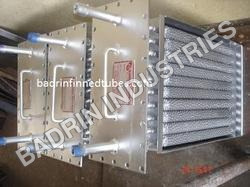
Tell us about your requirement

Price:
Quantity
Select Unit
- 50
- 100
- 200
- 250
- 500
- 1000+
Additional detail
Mobile number
Email

More Products in Finned Tubes Category
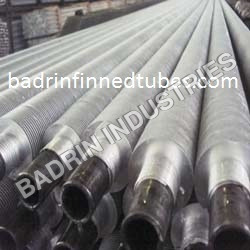
Extruded Finned Tubes
Price 250 INR / Piece
Minimum Order Quantity : 50 Pieces
Size : Custom sizes available
Inside Diameter : 10 mm to 80 mm
Grade : Alloy 6063, 304/316
Product Type : Other, Extruded Finned Tubes
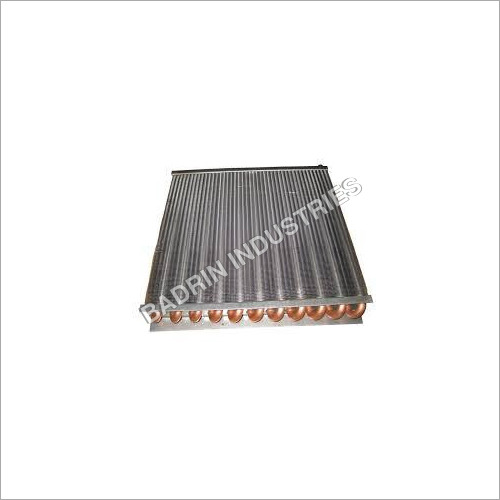
Aluminium Finned Tubes
Price 250 INR / Piece
Minimum Order Quantity : 50 Pieces
Size : Customizable
Inside Diameter : 12 mm 38 mm
Grade : 6063T5 or 3003
Product Type : Other, Finned Tube

Brass Finned Tubes
Price 250 INR / Piece
Minimum Order Quantity : 50 Pieces
Size : Customized
Inside Diameter : 12 mm to 60 mm
Grade : C12200, C44300, or as Required
Product Type : Other, Finned Tube
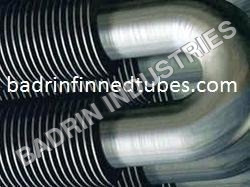
U Type Finned Tubes
Price 250 INR / Piece
Minimum Order Quantity : 50 Pieces
Size : Customized
Inside Diameter : 10 mm to 50 mm
Grade : ASTM A179, A213, A334, A106, A192, SS304, SS316, or as specified
Product Type : Other, U Type Finned Tubes

Address
BADRIN INDUSTRIES
GST : 33AQYPM9120D1ZO
GST : 33AQYPM9120D1ZO
- No. 4, Yadava Street, SIDCO Industrial Estate, Ambattur,Chennai - 600098, Tamil Nadu, India
- Phone :08045803783
- Send Inquiry
 Send Inquiry
 Send Inquiry
 Send SMS
 |
BADRIN INDUSTRIES
All Rights Reserved.(Terms of Use) Developed and Managed by Infocom Network Private Limited. |
